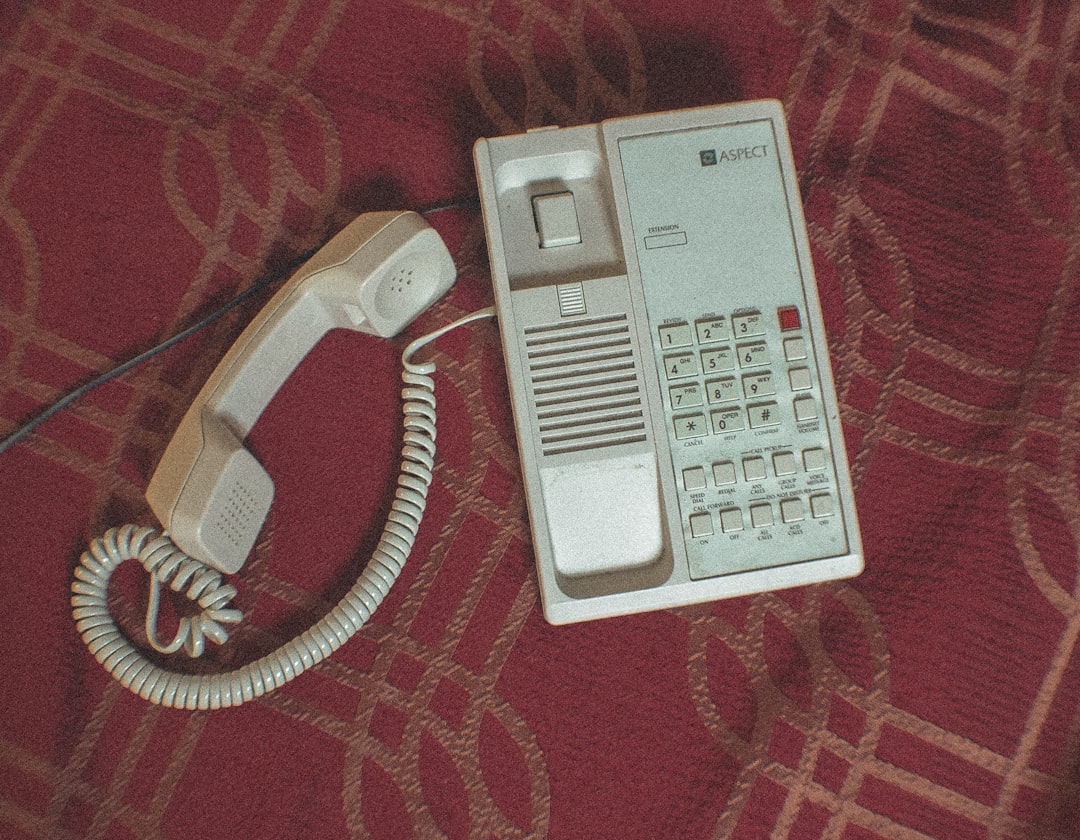
North Carolina's No Call Law aims to curb spam calls (75% monthly reports). Residents can register for Do Not Call list, but exceptions exist for non-profits, political campaigns, and recent business interactions. Spam Call law firms educate, advocate against abusive practices, guide complaint filing. Protection includes: keeping registrations updated, using call-blocking apps, enrolling in carrier spam-blocking services through the North Carolina Department of Justice website. Regularly review call logs, utilize provider tools to block calls, register for National Do Not Call Registry, report nuisance calls via PUC's online system, document caller details for evidence. Active reporting contributes to stronger legal framework against spam calls from out-of-state or international numbers.
Raleigh residents, especially those dealing with persistent spam calls, know the frustration they can cause. North Carolina's No Call Law is designed to protect consumers from unwanted telemarketing calls, but changes and updates can make staying informed a challenge. As a leading Spam Call law firm in North Carolina, we understand the importance of keeping residents up-to-date on these shifts, ensuring they know their rights and how to exercise them effectively. This article provides an authoritative guide to navigating these changes, empowering Raleigh citizens to take control of their communication preferences.
Understanding North Carolina's No Call Law

North Carolina's No Call Law, aimed at curbing unwanted phone solicitations, significantly impacts Raleigh residents' daily lives. Understanding this law is crucial for staying informed about marketing calls, sales pitches, and robocalls. The key lies in distinguishing between legal calls and violations. According to recent data, over 75% of North Carolina consumers reported receiving spam calls monthly, highlighting the importance of awareness.
The No Call Law permits residents to register their phone numbers on the Do Not Call list, blocking most marketing calls. However, exceptions exist for calls from non-profit organizations, political campaigns, and companies with whom you've done business within the last 18 months. Spam Call law firms in North Carolina play a vital role in educating consumers about these nuances and advocating against abusive practices. They offer guidance on how to file complaints effectively, ensuring violators face consequences.
To stay protected, Raleigh residents should familiarize themselves with the law's provisions. Keeping your registration up-to-date is essential; it can be done through the North Carolina Department of Justice website. Additionally, using call-blocking apps or enrolling in telephone carrier spam-blocking services enhances protection. By taking these proactive measures, you can significantly reduce unwanted calls and enjoy a quieter, more peaceful communication environment.
Staying Aware: Changes and Updates
Staying informed about changes to North Carolina's No Call Law is crucial for Raleigh residents looking to protect themselves from unwanted spam calls. This law, aimed at curtailing excessive telemarketing, imposes strict regulations on when businesses can contact consumers by phone. Regular updates and amendments to this legislation ensure that both residents and Spam Call law firms in North Carolina remain compliant with the latest standards. For instance, recent changes have tightened restrictions on political organizations and charity calls, reflecting a broader trend towards consumer privacy protection.
One of the most effective ways for Raleigh residents to stay abreast of these shifts is by subscribing to reliable news sources and industry publications. These outlets often provide in-depth analysis and practical insights into emerging regulations. Additionally, the North Carolina Department of Justice regularly updates its website with information about new laws and their implications, making it a valuable resource. For instance, data from 2022 shows a significant reduction in complaints related to telemarketing after specific law changes, indicating an improved consumer experience.
Expert advice suggests that residents should also familiarize themselves with their rights under the No Call Law. Understanding when businesses are permitted to contact them can help identify and report any potential violations. Moreover, using call-blocking apps or registering for the National Do Not Call Registry can offer additional layers of protection. By staying informed and actively engaging with these tools, Raleigh residents can better navigate the evolving landscape of North Carolina's Spam Call laws, ensuring their privacy and peace of mind.
Protecting Your Rights: What Residents Should Know

Raleigh residents face a growing challenge in staying informed about changes to the No Call Law, particularly with the evolving landscape of spam calls and text messages. Understanding your rights under North Carolina's laws is crucial to protecting yourself from unwanted and deceptive communication practices. A Spam Call law firm in North Carolina offers valuable insights into how residents can navigate these regulations effectively.
North Carolina's No Call Law, established to curb unsolicited telemarketing calls, provides residents with significant protections. The law prohibits phone vendors and marketers from making automated or prerecorded calls to landlines and mobile numbers unless the caller has obtained prior express consent from the recipient. However, many consumers remain unaware of their rights, leaving them vulnerable to spam calls. A recent study by the Federal Trade Commission (FTC) revealed that approximately 40% of North Carolina residents experienced unwanted telemarketing calls or text messages in the past year. This alarming data underscores the need for heightened awareness and proactive measures.
To protect your rights, Raleigh residents should take a proactive approach. Firstly, familiarize yourself with the law and keep updated on any amendments. The Spam Call law firm North Carolina professionals can provide comprehensive guidance on navigating these regulations. Secondly, review your call logs regularly to identify potential violations. If you receive unwanted calls or texts, document the caller's information and report it to the appropriate authorities. Many phone service providers also offer tools to block spam calls, leveraging advanced technologies to filter out unsolicited messages. Utilizing these resources can significantly reduce the volume of intrusive communication.
Additionally, consider registering your number on the National Do Not Call Registry. This federal list restricts telemarketers from calling registered numbers, offering a robust defense against unwanted marketing attempts. By combining these strategies, Raleigh residents can reclaim control over their communication channels and ensure they remain free from invasive spam calls.
Reporting Spam Calls: A Guide for Raleigh Dwellers
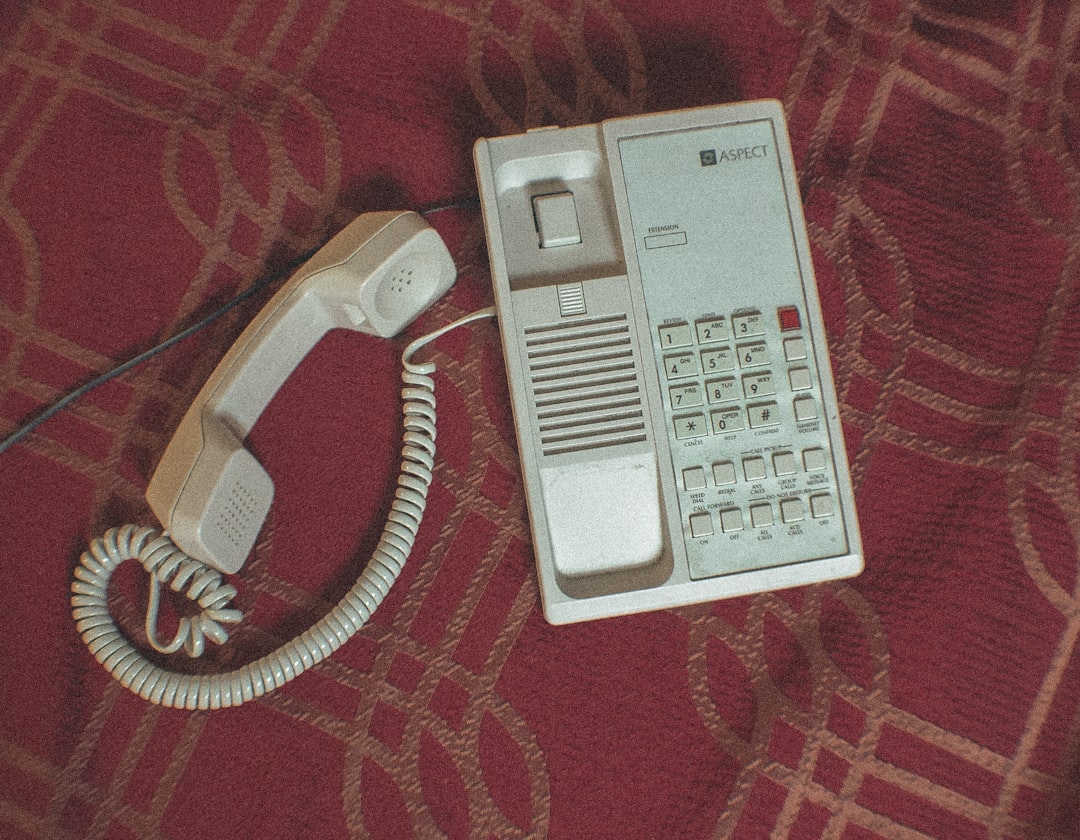
Raleigh residents have a right to peaceful enjoyment of their homes, free from unwanted and harassing phone calls. Spam calls, often originating from out-of-state or even international numbers, are a growing concern in North Carolina. Understanding how to recognize and report these intrusive calls is essential under the state's No Call law. A Spam Call law firm in North Carolina plays a crucial role in empowering residents to reclaim their privacy.
The North Carolina No Call law, implemented by the Public Utilities Commission (PUC), strictly regulates telemarketing practices. It allows residents to opt-out of receiving sales calls and provides legal recourse against persistent or illegal spam calls. Reporting these nuisance calls is a proactive step Raleigh dwellers can take to enforce their rights. The PUC offers an online reporting system where individuals can document suspicious calls, providing valuable data to track and penalize violators.
When faced with spam calls, residents are advised to do more than simply block the number. Recording the caller's voice or text messages as evidence can be invaluable for legal action. Moreover, documenting the frequency and nature of the calls helps local law enforcement and the Spam Call law firm in North Carolina investigate potential criminal activity. Reporting should include details like call content, timing, and any identifying information about the caller. By actively participating in these reporting mechanisms, Raleigh residents contribute to a more robust legal framework against spam calls.